5 Critical LED Display Inspection Details You Should Never Overlook
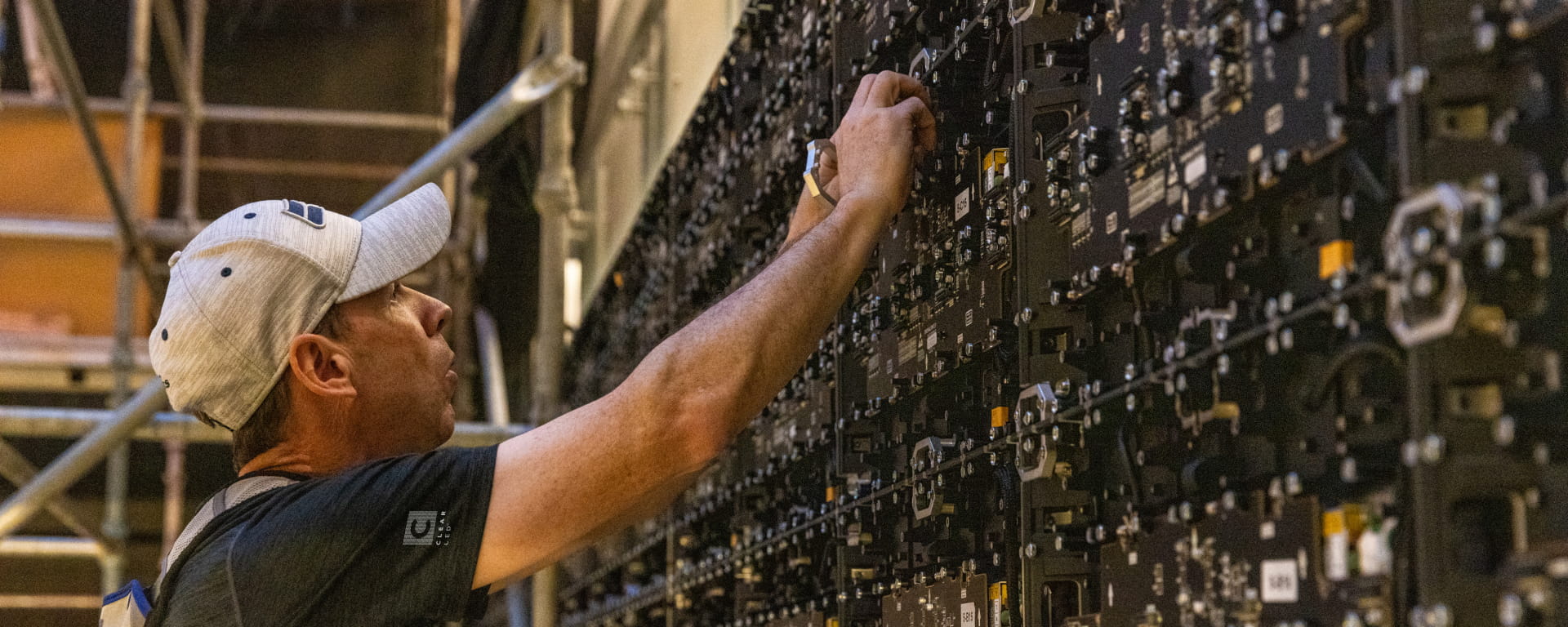

“Once the LED screen is powered on and showing content, the job is done… right?”
Not exactly.
Many project owners assume that if an LED display lights up and plays content, it has passed inspection. In reality, improper LED display acceptance often leads to issues within months - misaligned modules, uneven surfaces, flickering, blackouts, or even components that don’t match the original contract.
Given that LED display systems are often six- or seven-figure investments, a professional inspection process is essential.
At ClearLED, whether opting for our innovative transparent solutions or traditional LED displays, we focus on delivering superior performance and an unparalleled image experience across every project. Through years of experience, we’ve seen firsthand how proper quality control ultimately determines long-term performance. Below is a practical LED display inspection checklist to help protect your investment.
1. Inspect Surface Flatness from the Side
Surface flatness directly affects visual performance and structural stability.
How to Check:
- Stand at the side of the LED display.
- Ensure the entire screen surface is on the same plane.
- Look for visible bulges or dips.
- Gently run your hand across the panel to detect uneven transitions.
Why It Matters:
An uneven LED screen can cause:
- Brightness inconsistency at different viewing angles
- Visible seams between modules
- Increased mechanical stress over time
High-precision cabinet engineering and strict assembly standards - like those implemented at ClearLED - help maintain long-term structural stability across large-format installations.
2. Check Pixel Alignment Using a Grid Test Pattern
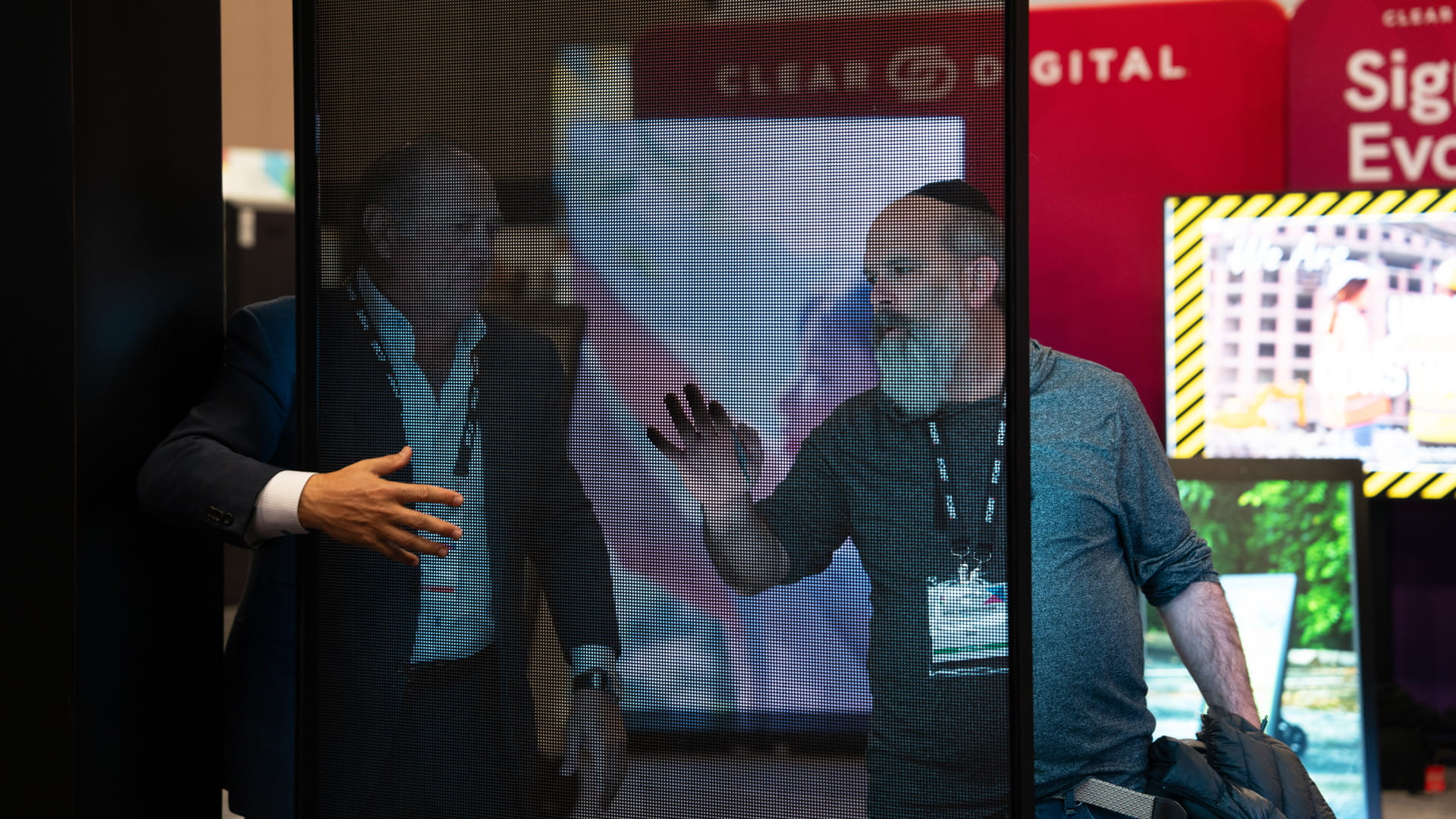
LED displays are composed of thousands of modules and millions of pixels. Even a one-pixel deviation can distort the image.
How to Check:
- Display a grid test pattern.
- Inspect horizontal and vertical lines carefully.
- Lines must appear straight and continuous - no bending, breaks, or shifts.
This step is especially critical for:
- Corporate boardrooms
- Retail environments
- Broadcast studios
- Control rooms
- High-resolution indoor LED walls
Factory calibration and strict module tolerance control are essential to achieving seamless image performance.
3. Test Refresh Rate with a Smartphone
Many LED screens advertise “high refresh rate” and “HD quality.” Here’s a simple way to verify:
How to Check:
- Stand 5–10 meters away.
- Take a photo of the LED screen with your smartphone (no zoom).
- Check the image for flickering, rolling lines, or ripple patterns.
A true high-refresh-rate LED display will appear clean and stable in the photo.
Low refresh rates may result in:
- Camera flicker
- Motion blur
- Poor live-stream or broadcast quality
- Viewer discomfort during dynamic content
ClearLED LED systems are designed for high refresh rate performance, ensuring smooth video playback across retail, live events, corporate, and broadcast applications.
4. Verify the Effective Display Area
In LED projects, size discrepancies can directly affect cost and expectations.
How to Check:
- Measure the effective display area (the visible LED content area).
- Verify measurements down to the millimeter.
- Compare with contract specifications.
Even small differences in square footage can translate into significant cost discrepancies.
Important:
Ensure you are measuring the active LED display area - not just the cabinet frame dimensions.
At ClearLED, we provide precise dimensional specifications and transparent documentation to ensure full alignment with project agreements.
5. Confirm Core Components and Specifications
The final and most critical step is verifying internal components.
Check the Following:
- Module batch numbers
- Power supply models
- Receiver card brand
- Video processor specifications
- Component quantities
All items must match:
- The signed contract
- The approved technical datasheet
- The packing list
Core components function as the “heart” of the LED display system. Mismatched or lower-tier replacements can reduce performance, shorten lifespan, and create warranty complications.
ClearLED follows strict quality control protocols and provides full component traceability to ensure system reliability and long-term service support.
Why Professional LED Display Acceptance Matters
An LED display is not just a screen - it is a long-term digital asset for branding, communication, and engagement.
Spending extra time during the inspection phase can prevent:
- Early-stage failures
- Unexpected maintenance costs
- Performance degradation
- Brand image damage
Whether your project involves indoor Direct View LED, large-format outdoor LED, or architectural LED integration, structured acceptance procedures ensure optimal results.
Work with ClearLED - A Trusted LED Display Manufacturer
With global installations across North America, Asia, and the Middle East, ClearLED delivers:
- Precision cabinet engineering
- High refresh rate & superior grayscale performance
- Energy-efficient LED solutions
- Strict factory calibration & QC procedures
- Global technical support
If you're planning an LED display project or preparing for system acceptance, our technical team is available to assist with specification review, installation guidance, and performance evaluation.
Contact ClearLED to ensure your LED investment performs as expected - today and long term.