The Façade as Media: Why Architecture Is Becoming a Living Canvas
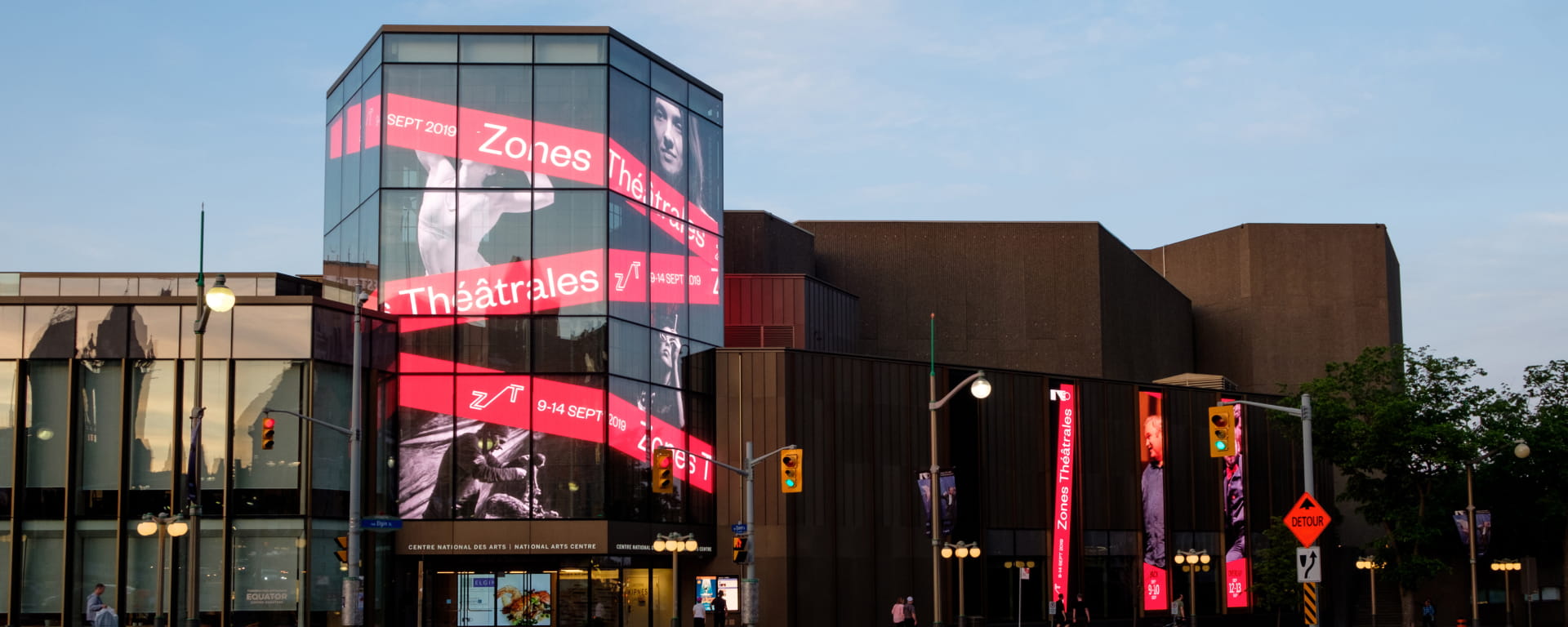

For decades, architecture has defined identity through material, structure, and silhouette. Stone, steel, glass, these were the tools of expression. But today, a new layer is emerging.
Buildings are beginning to communicate.
Not through billboards bolted onto façades, but through integrated mediasurfaces that become part of the architecture itself. The façade is no longer just an exterior boundary. It is evolving into a programmable layer - a canvas for living stories.
From Signage to Media Architecture
Traditional LED displays were designed as screens. They were meant to siton top of buildings, not within them. The result has often been visual competition - structure versus screen.
But as cities become more experience-driven and brand-forward, the expectation is shifting. Developers and designers are asking different questions:
- Can media enhance architecture rather than overpower it?
- Can a building express identity dynamically without losing its material integrity?
- Can digital storytelling coexist with transparency and daylight?
The answer lies in integration, not attachment.
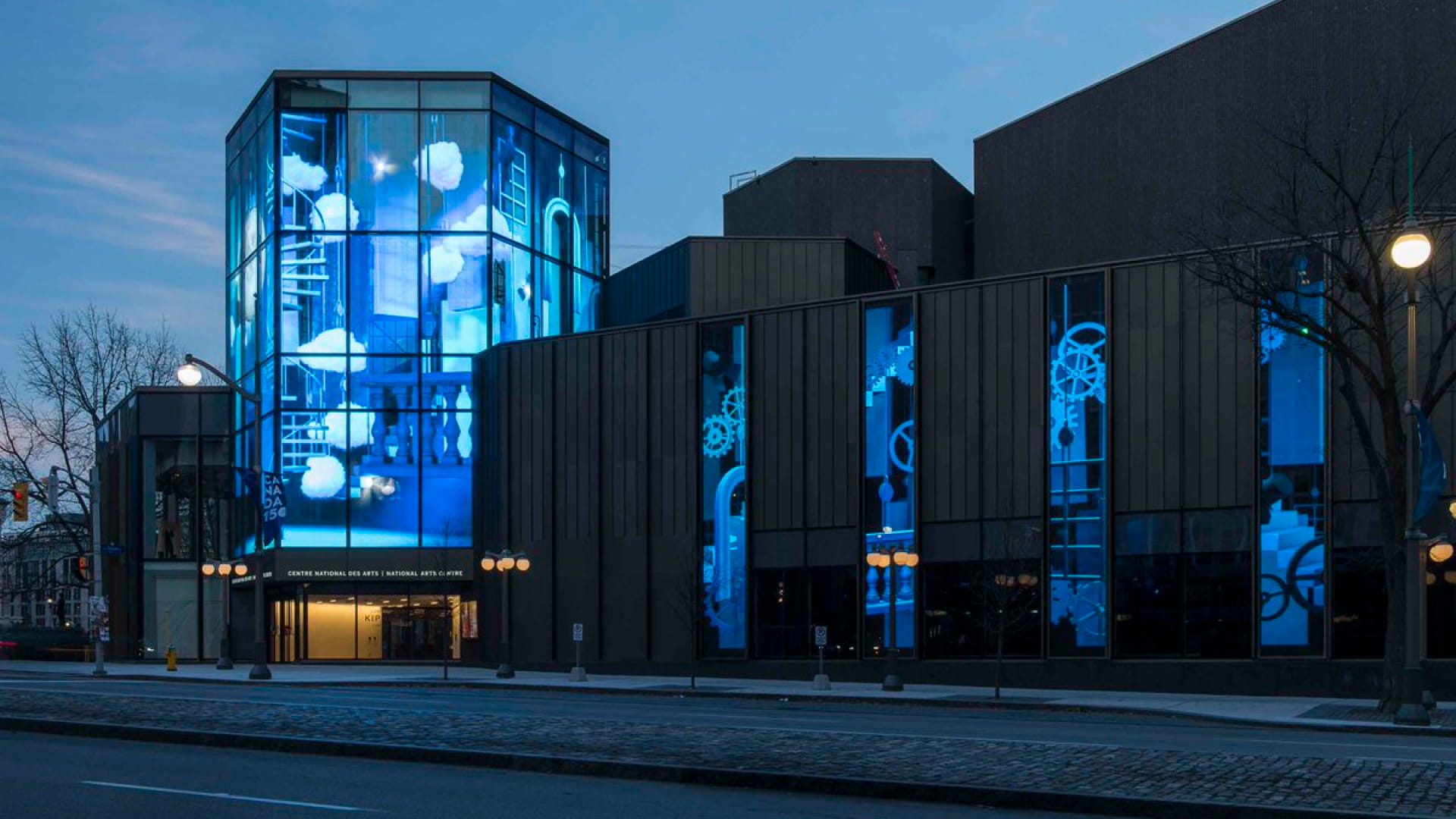
Transparency as an Architectural Enabler
One of the most important evolutions in façade media is transparency.
Transparent LED technology allows light to pass through. It preserves sightlines. It maintains the architectural rhythm of glass curtain walls andopen atriums. During the day, the building remains light-filled and structurally legible. At night, it transforms into a dynamic presence.
This duality - architectural clarity by day, narrative expression by night - is what defines true media architecture.
Designing for Dual States
A media façade must perform in two distinct modes:
- Content On - vibrant, visible, engaging
- Content Off - discreet, integrated, respectful
The most successful projects are those where the building remains beautiful even when the pixels are dark.
This requires collaboration early in the design process. Structure, mounting, cable routing, service access, these cannot be after thoughts. Media must be considered alongside façade engineering, not layered on after construction documents are complete.

Beyond Spectacle
It’s easy to chase spectacle. Large formats. Extreme brightness. Maximum scale.
But lasting architectural value is rarely about excess. It is about harmony.
Media architecture works best when it reinforces the building’s purpose, retail, hospitality, mixed-use, cultural, rather than competing for attention. It should extend the narrative of the space, not distract from it.
The Next Chapter for Urban Identity
As cities become denser and competition for attention intensifies, buildings are increasingly asked to perform, to express brand, create destination, and foster engagement.
The façade is becoming more than enclosure. It is becoming infrastructurefor communication.
At ClearLED, we see architecture not as static mass, but as a canvas for living stories, where media serves structure, and technology elevates design.
If you're exploring how integrated LED can support architectural vision without compromising integrity, we welcome the conversation.